
SUSTAINING STANDARDS
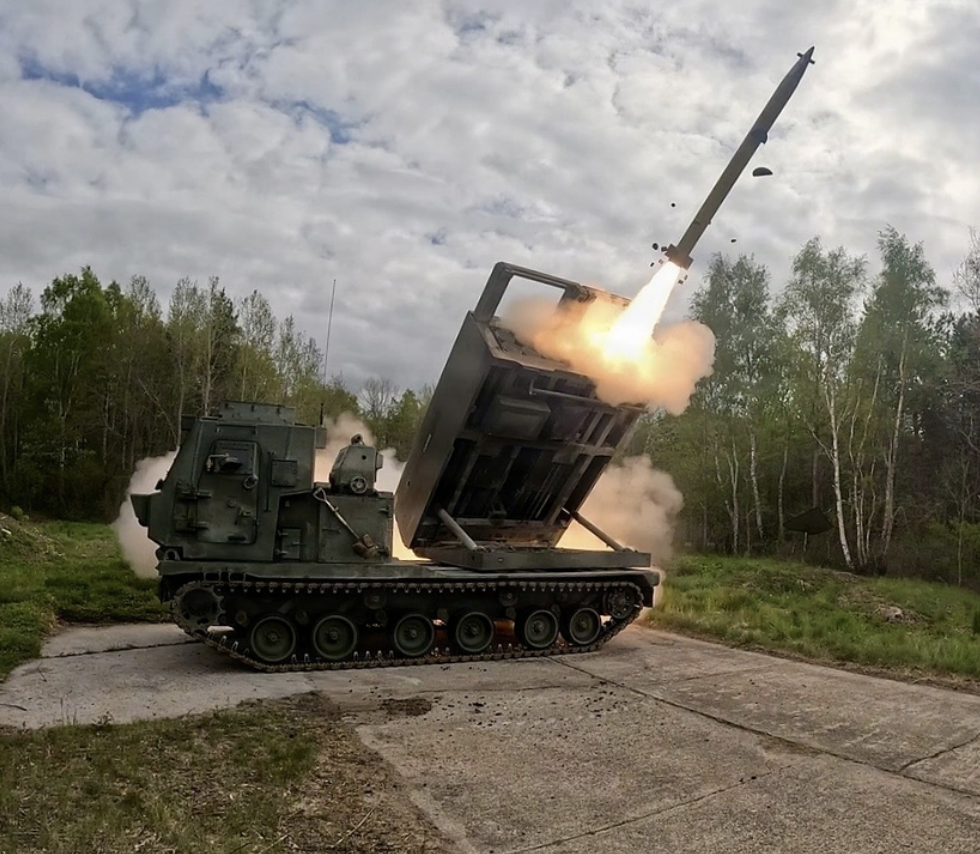
POLAND 05.12.2026
Introduction
“That's not how we did it in my last unit.”
Most Field Artillery leaders have heard some variation of that statement. Sometimes it reflects a difference in experience. Sometimes it reflects a difference in technique. Occasionally, it reveals something more significant—a gradual departure from established standards.
The challenge facing today's Field Artillery force is not developing standards. The challenge is sustaining them.
Every formation inherits doctrinal standards, commander expectations, and hard-earned lessons from previous generations of artillerymen. These standards form the foundation of readiness, discipline, and combat effectiveness. Yet sustaining them requires deliberate effort.
Personnel change. Leaders transition. Operational demands increase. Local practices emerge.
Without active leadership, even the strongest organizations can find themselves gradually operating differently than intended.
For the Field Artillery profession, sustaining standards is not simply a matter of compliance. It is a readiness imperative.
Why Sustaining Standards Matters
The Field Artillery branch has never lacked standards.
TC 3-09.8 provides a progressive framework for training, certification, qualification, evaluation, and retraining. ATP 3-09.50 provides leaders techniques for developing training programs and refining unit standard operating procedures. Together, these publications establish a common foundation for readiness throughout the force.
The challenge is not creating standards. The challenge is ensuring those standards remain visible, understood, and consistently enforced throughout an organization.
Standards provide predictability. Standards enable consistency. Standards accelerate leader integration. Standards reduce unnecessary variation.
Most importantly, standards provide formations with a common basis for assessing readiness and generating combat power.
Organizations that sustain standards remain resilient despite personnel turnover and operational demands. Organizations that fail to sustain standards often discover that readiness has become increasingly difficult to measure, evaluate, and maintain.
The result is rarely catastrophic failure. More often, it is a gradual decline in consistency. Tasks are evaluated differently. Retraining expectations vary. Procedures evolve without deliberate review. Over time, organizations begin operating differently than intended.
The issue is rarely competence. The issue is consistency.
Sustaining Standards Begins with NCO Leadership
The responsibility for sustaining standards belongs to leaders at every echelon. However, the responsibility for enforcing standards rests primarily with the NCO Corps.
Commanders establish priorities, approve policies, and provide oversight. NCOs transform those expectations into daily execution.
The Field Artillery profession has historically relied upon its NCO Corps to preserve standards between inspections, certifications, and deployments.
While commanders establish expectations, it is NCOs who translate those expectations into disciplined habits, technical competence, and professional excellence.
Section Chiefs enforce standards at the point of execution. Platoon Sergeants ensure consistency across sections. First Sergeants sustain standards across batteries. Command Sergeants Major reinforce standards throughout formations.
For this reason, the most effective place to sustain standards is not during qualification. It is during maintenance, rehearsals, inspections, leader engagements, and training.
By the time a deficiency is identified during certification or qualification, the standard has already gone unenforced somewhere within the organization.
The objective is not simply to identify declining standards. The objective is to prevent them.
That responsibility begins with disciplined NCO leadership.
A Practical Example
Consider a newly assigned Platoon Sergeant arriving from another battalion.
He is experienced. He is competent. He is eager to improve his platoon.
As he begins training his sections, he naturally teaches procedures and techniques that were standard within his previous organization. His intent is positive, and his Soldiers benefit from his experience.
Over time, however, his platoon begins operating differently than other platoons within the battery.
The differences are subtle. A task is evaluated differently. A retraining requirement is interpreted differently. A certification standard is enforced differently.
None of these changes occur because of poor leadership. They occur because no mechanism exists to identify divergence before it becomes accepted practice.
The issue is not leadership. The issue is visibility.
Without visibility, leaders may not recognize changes until they begin affecting certification results, collective training performance, or readiness assessments.
Systems That Preserve Standards
Sustaining standards requires more than motivated leaders. It requires deliberate systems.
TC 3-09.8 emphasizes certification, qualification, evaluation, and retraining as essential components of readiness. Likewise, ATP 3-09.50 exists to assist organizations in developing training programs and refining SOPs.
Together, these systems help organizations maintain consistency despite personnel turnover and competing operational demands.
Examples include standard operating procedures, Red Books, certification programs, evaluator development programs, readiness trackers, training aids, planning guidance, and leader development programs.
The specific tools may differ between organizations. The purpose remains the same: to provide leaders visibility into performance, proficiency, and readiness trends.
The purpose of these systems is not bureaucracy. The purpose is continuity.
Standards do not survive because they are written.
Standards survive because leaders deliberately build systems that preserve them.
The Battalion Master Gunner as Steward of the Profession
TC 3-09.8 identifies the Master Gunner as the commander's primary advisor and manager for certification and qualification programs and assigns responsibilities related to technical standardization, evaluator development, quality control, and readiness oversight.
However, the Battalion Master Gunner's contribution extends beyond certification management.
The Battalion Master Gunner serves as a steward of the Field Artillery profession.
While NCOs enforce standards at every echelon, the Master Gunner helps preserve the technical and tactical standards that define Field Artillery excellence.
Through certification programs, evaluator development, readiness assessments, doctrinal integration, and standardization initiatives, the Master Gunner provides commanders and senior NCOs with visibility into areas where standards are strengthening and where they may require additional emphasis.
The Master Gunner does not replace the NCO support channel. He strengthens it.
Recommendations for Leaders
Organizations seeking to sustain standards should consider several actions.
First, measure standards rather than simply measuring event completion.
Second, standardize evaluator expectations across subordinate formations.
Third, preserve institutional knowledge through SOPs, Red Books, planning guidance, and leader development programs.
Fourth, deliberately assess and retrain. Assessment without retraining identifies problems. Assessment combined with retraining solves them.
Fifth, leverage senior NCOs and Master Gunners to provide visibility into readiness trends that might otherwise remain hidden.
Finally, periodically assess not only whether standards exist, but whether they are being applied consistently throughout the formation.
Conclusion
The future effectiveness of the Field Artillery branch will not be determined solely by modernization efforts, emerging doctrine, or new technology.
It will also be determined by our ability to sustain the standards that have defined the profession for generations.
Commanders provide oversight. NCOs enforce standards. Master Gunners help steward the profession.
Together, they ensure that excellence is not simply achieved, but sustained.
Sustaining standards is not a temporary initiative. It is not a certification event. It is not a qualification requirement.
It is a professional obligation.
It is a readiness imperative.
And it remains essential to the future of the Field Artillery.
Author Biography
SFC Douglas E. Fulcher Jr. is a Field Artillery Master Gunner for 1st Battalion, 41st Field Artillery Regiment, 3rd Infantry Division. Throughout his career, he has served in multiple leadership and technical positions, including Howitzer Section Chief, Senior Drill Sergeant, Platoon Sergeant, Chief of Firing Battery, and Battery First Sergeant. He has contributed to certification and qualification programs, standardization initiatives, training development, and doctrinal feedback efforts focused on improving readiness across the Field Artillery profession.